
From the Stadium to the Music Room: A “Seven Nation Army” Solfa and Rhythm Play-Along
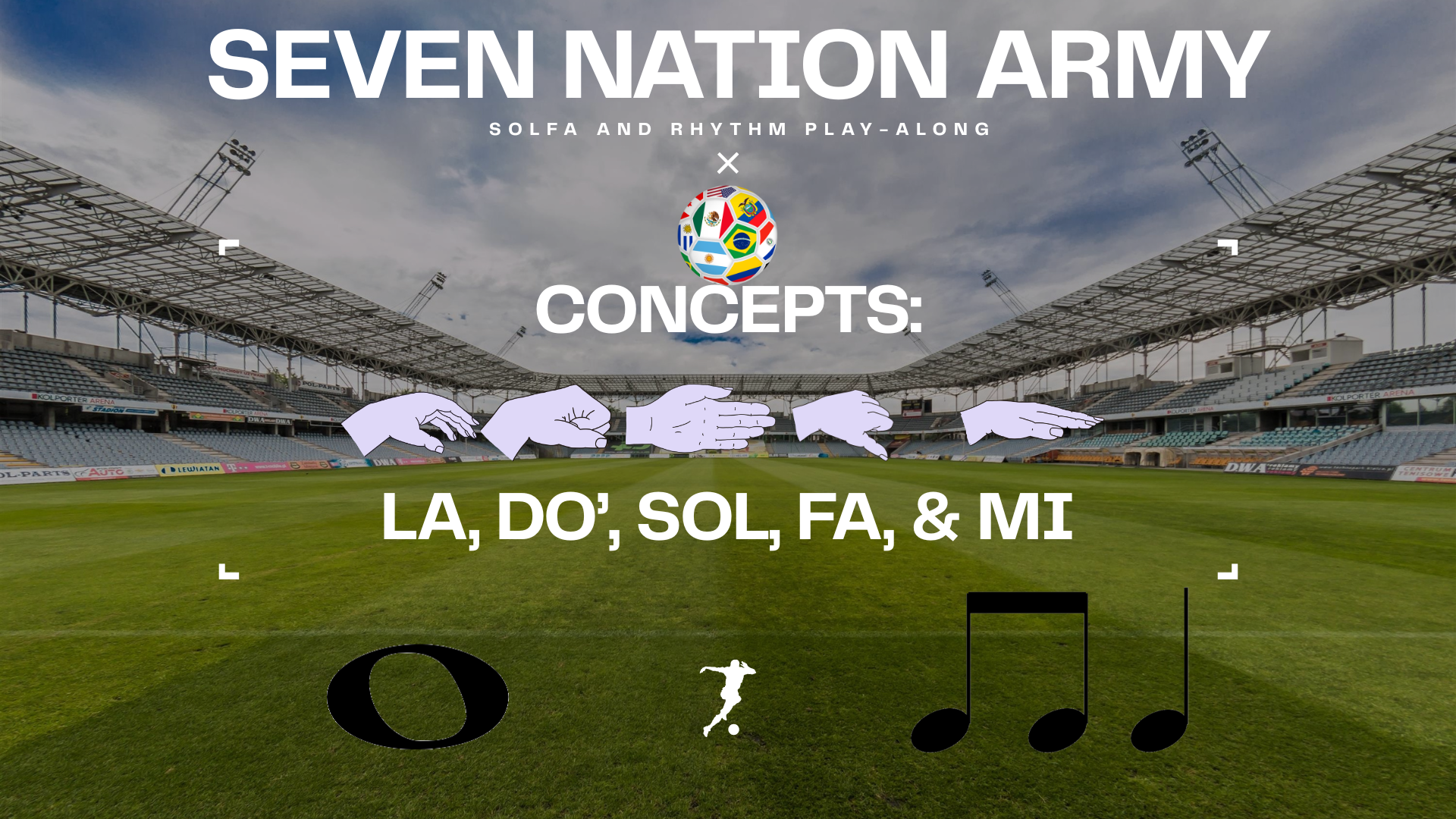
Some musical ideas seem made for the elementary music classroom. They are short, memorable, easy to sing, and immediately capture students’ attention. The famous riff from “Seven Nation Army” by The White Stripes checks every one of those boxes—and many students will already recognize it from sporting events.
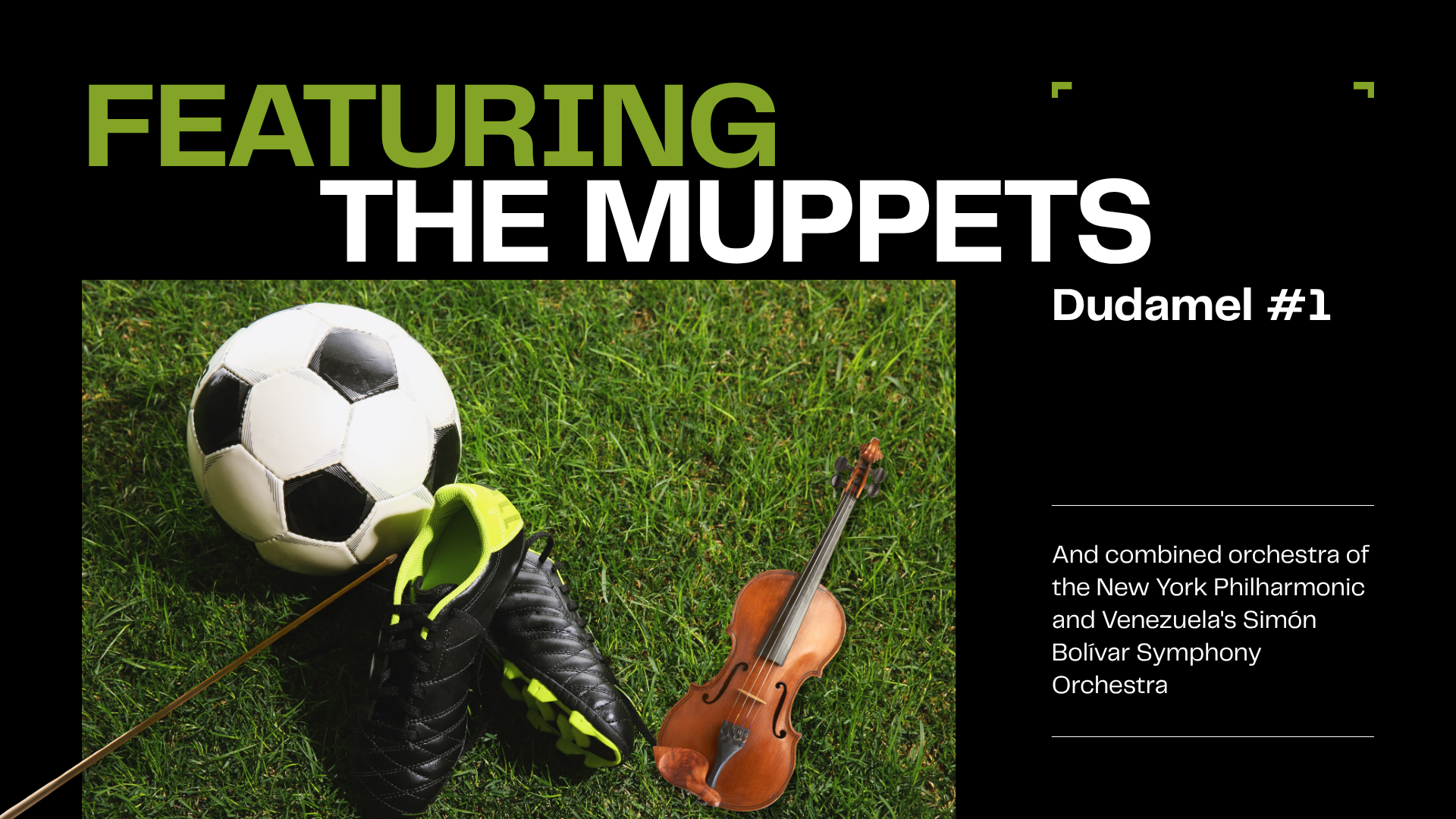
After watching Gustavo Dudamel conduct musicians from the New York Philharmonic and Venezuela’s Simón Bolívar Symphony Orchestra during the first-ever FIFA World Cup Final Halftime Show, I knew this performance could inspire a fun musical experience for elementary students. The orchestral performance also featured Iranian violinist Bijan Mortazavi and The Muppets’ Electric Mayhem!
I created a solfa and rhythm play-along that focuses on the recognizable riff from the song. Instead of focusing on the lyrics, students can explore the melody, rhythm, timbre, and fascinating journey that transformed this rock song into a worldwide stadium chant.

Begin with Solfa
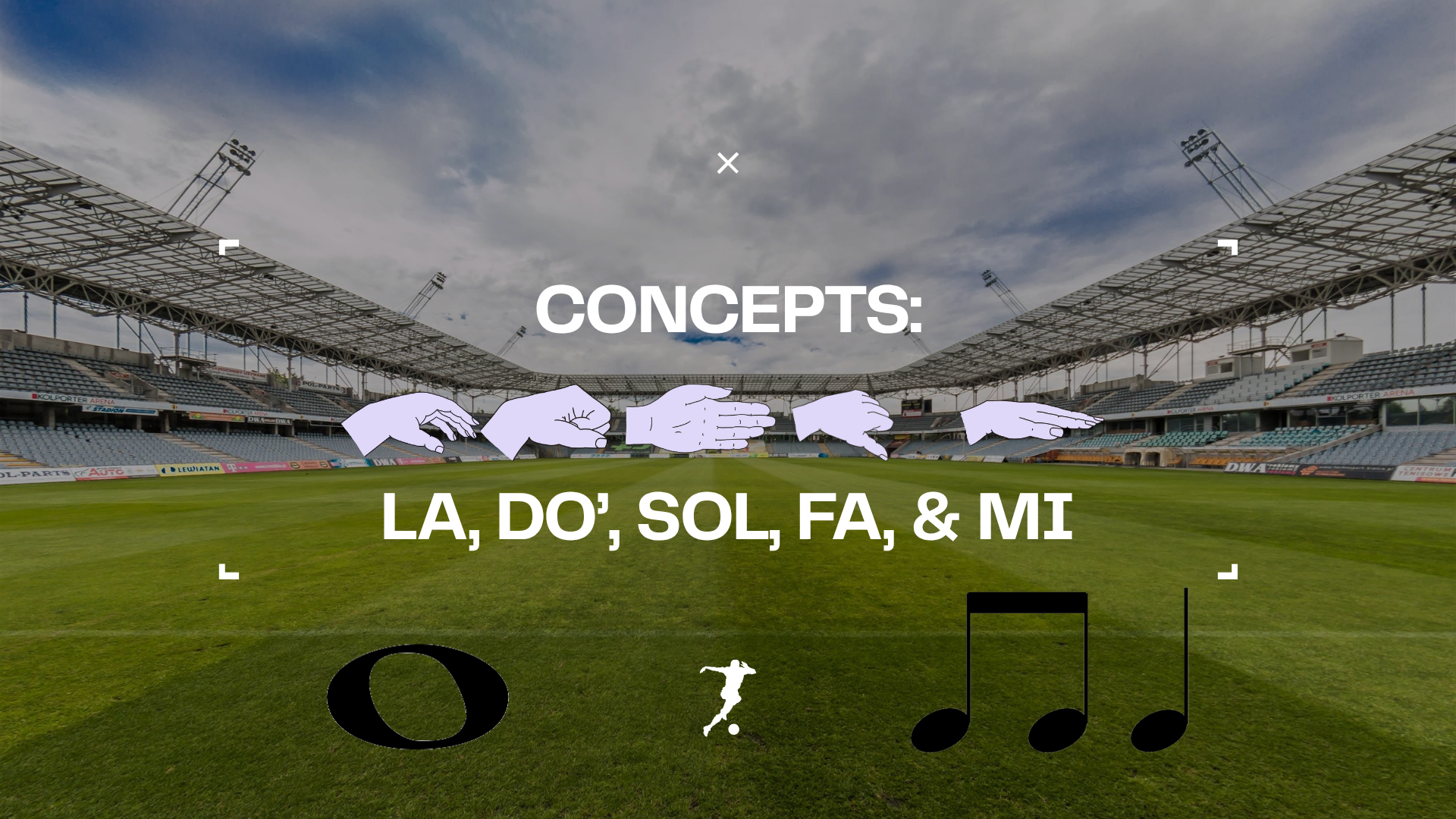
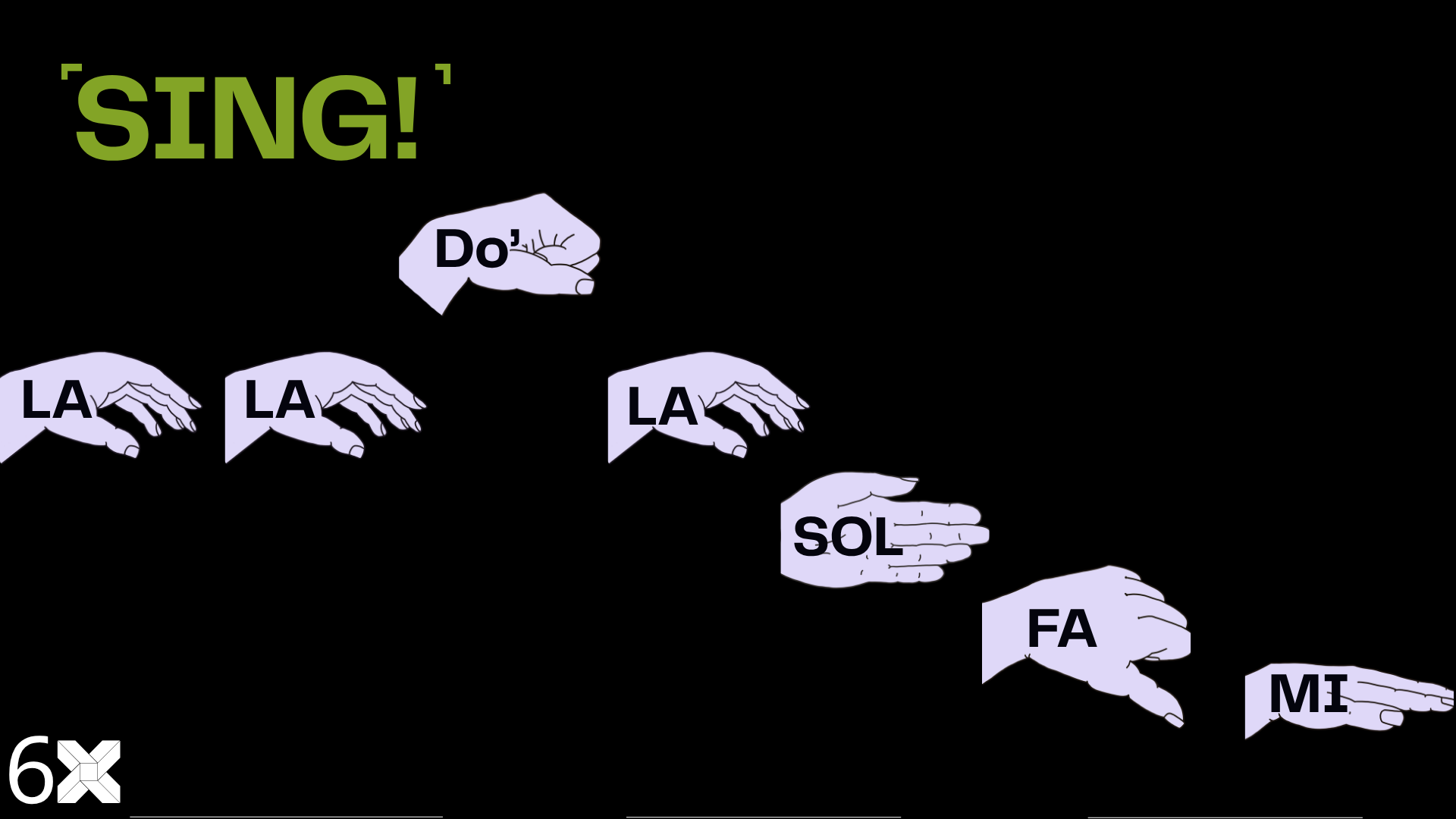
The familiar seven-note riff can be sung using:
la – la – do′ – la – sol – fa –- mi --
Begin by singing the pattern for your students and asking them to echo it. Once they are comfortable with the melody, add Curwen hand signs or have students trace the melodic contour in the air.
You could also leave out one pitch and ask students to sing the missing note in their heads. This turns the pattern into a quick retrieval or inner-hearing activity before students perform the entire melody.
Add the Rhythm
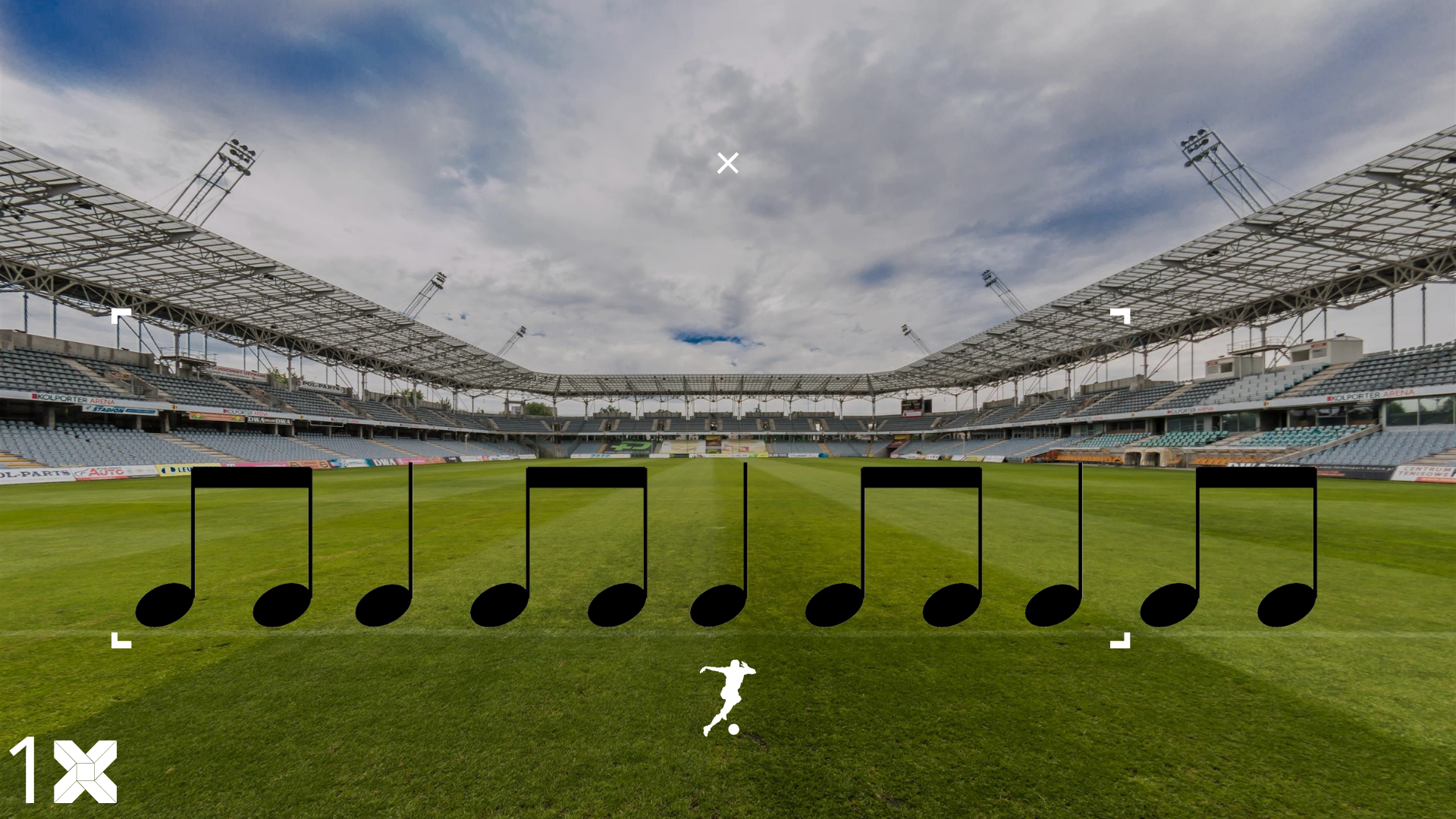
Once students are comfortable singing the solfa, shift the focus to rhythm. Students can speak, clap, or perform the rhythm before putting it together with the melody.
Depending on the age and experience of your students, they could perform the rhythm using:
Body percussion
Rhythm sticks
Hand drums
Bucket drums
Classroom percussion instruments
A combination of voices and instruments
Boomwhackers - The key of this arrangement is in E Minor. Stay tuned for a Boomwhacker play-along soon!
Students can then use the play-along video to practice following visual cues and performing as an ensemble. Choose student conductor to help the class stay together!
Listen for Timbre and Technology
The riff sounds like it is being played on a bass guitar, but it was actually recorded on a guitar that was pitch-shifted down an octave. This provides a wonderful opportunity to discuss how technology can change the timbre and pitch of an instrument. MusicRadar explains how Jack White used a DigiTech Whammy pedal to create the bass-like sound.
If age appropriate, you could have your students could compare the original White Stripes recording with the World Cup orchestral performance. What instruments do they hear in each version? How does the larger ensemble change the energy of the music? Which musical elements remain the same?
Share the Song’s Soccer Story
The journey of “Seven Nation Army” from a rock song to a worldwide soccer chant is fascinating.
Jack White created the riff during a soundcheck at the Corner Hotel in Melbourne, Australia. Today, the song is played after Melbourne Victory goals at AAMI Park—located only about 2,300 feet from the hotel where the riff was created.
The song’s connection to soccer began in 2003 when fans of Belgium’s Club Brugge sang the melody during an away match against AC Milan. The easily singable riff eventually spread to stadiums and sporting events around the world. UEFA reports that it was “first adopted as a football chant by fans of Club Brugge KV.”
Jack White has celebrated the way fans embraced his melody. He said, “Nothing is more beautiful in music than when people embrace a melody and allow it to enter the pantheon of folk music.”
That idea creates an interesting discussion for students: When thousands of people sing a melody together, does the music begin to belong to everyone?
A Historic Halftime Performance
On July 19, 2026, “Seven Nation Army” became part of the first-ever FIFA World Cup Final Halftime Show at MetLife Stadium in East Rutherford, New Jersey.
Gustavo Dudamel conducted musicians from the New York Philharmonic and Venezuela’s Simón Bolívar Symphony Orchestra. According to the New York Philharmonic, this was the first time members of the two orchestras had performed together.
The musicians were joined by Iranian violinist Bijan Mortazavi and The Muppets’ Electric Mayhem, bringing orchestral music, rock, popular culture, and soccer together in one unforgettable performance. You can read more about the complete halftime show through Global Citizen.
Extend the Learning
After completing the play-along, invite students to create something new with the riff. They could:
Invent a new body-percussion accompaniment.
Choose classroom instruments to represent different parts of the pattern.
Create a short soccer chant using the rhythm.
Compose a new seven-note melody.
Design an orchestral arrangement and explain which instruments they would use.
Compare the original rock version with the orchestral performance.
These extensions allow students to move from listening and performing to creating and making their own musical choices.
Download the Free Manipulatives
I have created free manipulatives to accompany the solfa and rhythm play-along. They provide visual support for teaching the solfa and rhythms and include fun facts about the song’s journey through soccer culture and its historic World Cup performance.
Download the free manipulatives here:
Download the “Seven Nation Army” Manipulatives
I hope this play-along brings some of the excitement of the World Cup into your music classroom while giving your students another joyful way to sing, read, perform, and create music together!
FREE “Seven Nation Army” Solfa and Rhythm Play-Along Manipulatives