Stuck on Improvisation? Add a Backbeat!
This past weekend, I had the pleasure of both presenting at and attending the Elementary Music Summit: January Refresh hosted by That Music Teacher
👉 https://www.thatmusicteacher.com/summit
One of my favorite parts of attending professional development like this is how it either introduces brand-new ideas or gently reminds me of strategies I once loved—but somehow let slip away. This summit did exactly that.
One idea that truly reignited my creativity was creating and improvising with a backbeat.
Bringing Back the Backbeat
I’ll be honest—I hadn’t intentionally worked with backbeats in years. Yet it’s such a powerful way to support steady beat, form, listening, and student creativity.
There are several easy ways to generate a backbeat in the elementary music classroom:
Use looped backbeats from YouTube (great for instant engagement)
If you have a keyboard, use the built-in beat and chord functions to create a simple loop
Or—my favorite—create one together with students using technology
That’s where YuStudio came in.
Using YuStudio to Build a Backbeat With Students
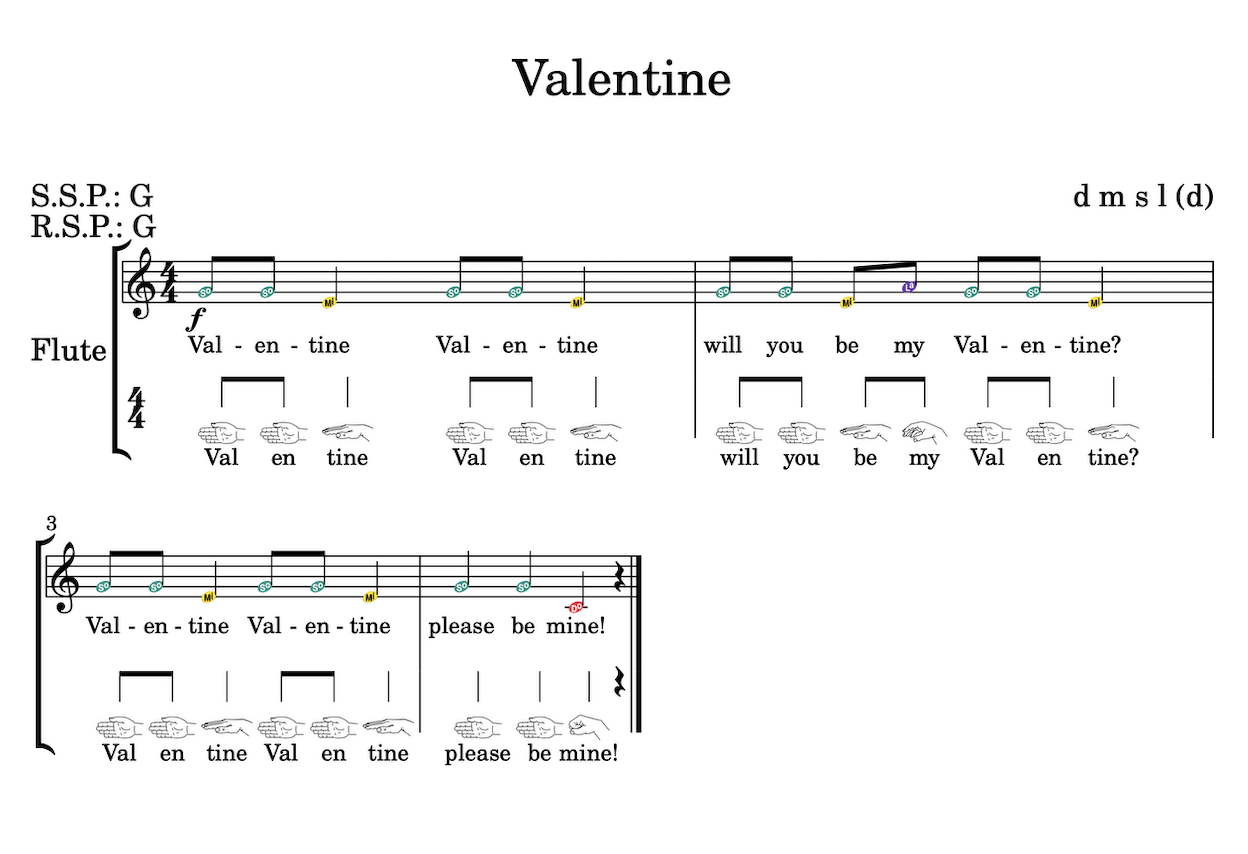
To bring this idea back into my classroom, I used the song “Valentine” and involved students in creating the backbeat using YuStudio, one of the seven creative tools included in MusicFirst Elementary.
👉 You can explore MusicFirst Elementary with a free 30-day trial here:
https://www.musicfirstelementary.com/
Here’s how we approached it:
We logged into MusicFirst Elementary and launched YuStudio.
Together, we:
Titled the project
Set the key
Chose the tempo
We navigated to Sounds → Packs → Instruments and began building our loop.
Student-Centered Decision Making
This part was especially powerful for engagement.
Students auditioned different drum loops
We selected two favorites to compare
Students voted—or I used Wheel of Names to choose a student or group to decide
👉 https://wheelofnames.com/
We followed the same process for:
Bass loops
A melodic instrument that would later support improvisation
Every step reinforced listening skills, musical decision-making, and ownership.
Setting Up for Improvisation
Once our backbeat was ready, I set up the room with:
Pitched instruments tuned to C pentatonic
Non-pitched acoustic instruments for rhythmic exploration
We then structured the lesson using an ABACADA form:
A Section:
Students sang the song over the backbeat with the melodic track muted.B Section:
Pitched instruments improvised new melodies based on the rhythm of the text, with the melodic track unmuted.D Section:
Non-pitched instruments improvised using rhythmic motifs from the song, such as:“Val-en-tine” (ti-ti ta)
“Please be mine” (ta ta ta rest)
This structure gave students freedom within a clear musical framework, which made improvisation feel safe and successful.
A Simple Idea—Big Musical Impact
The video above captures the process. Sometimes the most meaningful classroom moments come from revisiting ideas we already know—just with fresh tools and a new lens.
I hope this inspires you to bring back the backbeat and watch your students thrive musically, just like mine did. 🎶