Countdown to 2026: 10 short activities that you can use when you return from break - #9 Rhythm Games
#9 Rhythm Games
Let's begin the new year with a review of identifying and reading rhythm patterns. By using movement games and free websites such as Rhythm Randomizer (https://www.rhythmrandomizer.com/) and Rhythm Dice (https://4four.io/rhythm/dice), you can review rhythm patterns in a fun way.
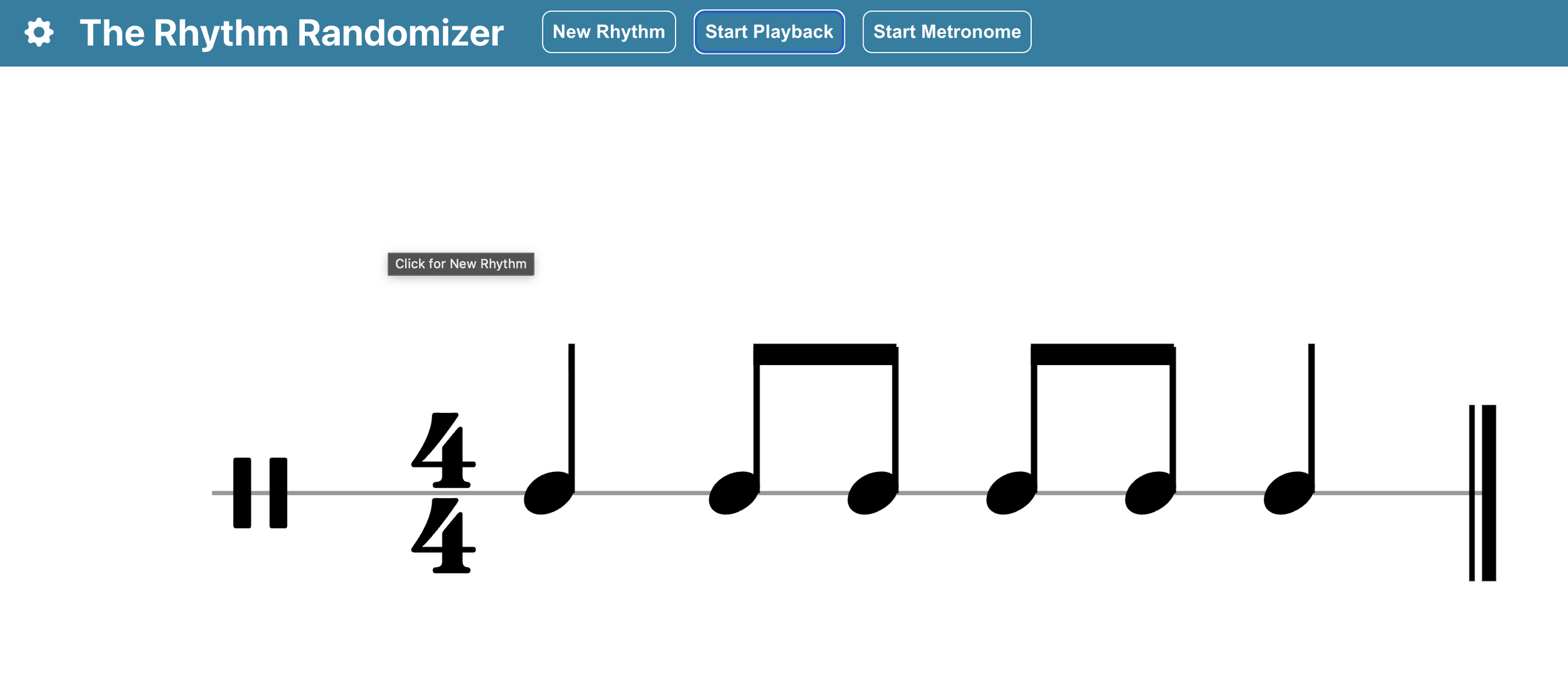
Rhythm Randomizer - https://www.rhythmrandomizer.com/
Use the settings to choose:
Playback (Tempo, Pitch, and Metronome)
Measure Count Selection (1, 2, 4, or 8)
Time Signature (Simple, Compound Alla Breve)
Note Selection (Basic Notes, Basic Rests, Simple Beamed Notes, Mixed Beamed Notes, Tuplets, Dotted Note Combinations, 8th Rest Combinations, and Syncopated Combinations)
Share Settings (Share the link)
Uses in the Classroom:
At a station, the students will click on the screen, perform the pattern, and then click the "Start Playback" button to hear if they performed it correctly.
This can also be done as a whole group or assigned individually using the link.
Improvise using solfa patterns.
Use these as rhythm flash cards to practice reading and performing rhythm patterns.
Take screenshots and print out the rhythm patterns to use during class.
Rhythm Dice (https://4four.io/rhythm/dice
Use the settings to choose from one to four dice, adding various rhythm patterns.
Uses in the Classroom:
Roll the dice and have the students read and perform the rhythm pattern as a group or as a station.
Set up barred instruments in a pentatonic scale, roll the dice, and have them improvise a melody to the rhythm pattern.
Use the dice as flashcards to practice reading and performing rhythm patterns.
Have two students perform a steady beat. Have another student roll the dice and then create a melody pattern using solfa. Then, the student sings the pattern with the two students who are playing the steady beat.
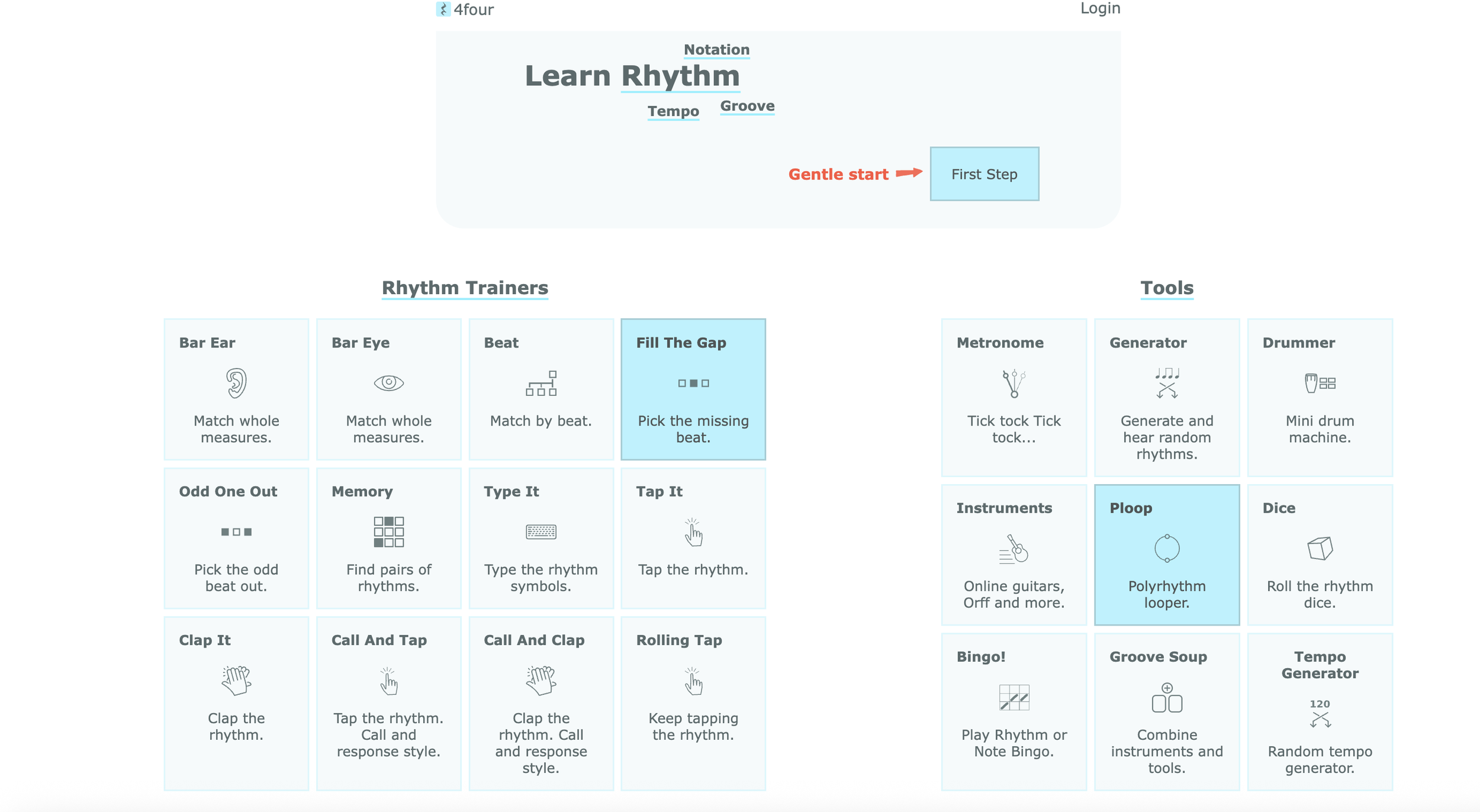
Click the "4four" logo to see more options!

Come back tomorrow for #9 as we are getting closer to 2026.